North vs South Albania: Which Should You Choose First?
By Ermal · April 21, 2026 · 3 min read
Alpine valleys and lake ferries, or turquoise coves and ancient ruins? A comparison to help you match each region to your trip.
It's the question we get most from travelers with one week: north or south? Alpine valleys, lake ferries and stone kullas, or turquoise coves, ancient ruins and very long seaside lunches? Here's the comparison, region by region, so you can match the trip to your kind of traveler.
NorthvssouthAlbaniaataglance
The short version, before the detail below.
North
South
Landscape
Alpine mountains, glacial valleys, lakes
Riviera coves, UNESCO stone towns, ruins
Season
Mid-May to mid-October (high trails)
Year-round; swimming June to October
Pace
Slower — guesthouses, hiking days
Faster — short drives, easy sightseeing
Base city
Shkodra
Berat, Saranda or Ksamil
Best for
Hikers, quiet villages, first-timers who've already done a beach trip
First visits, families, swimming and history in one trip
Thecaseforthenorth
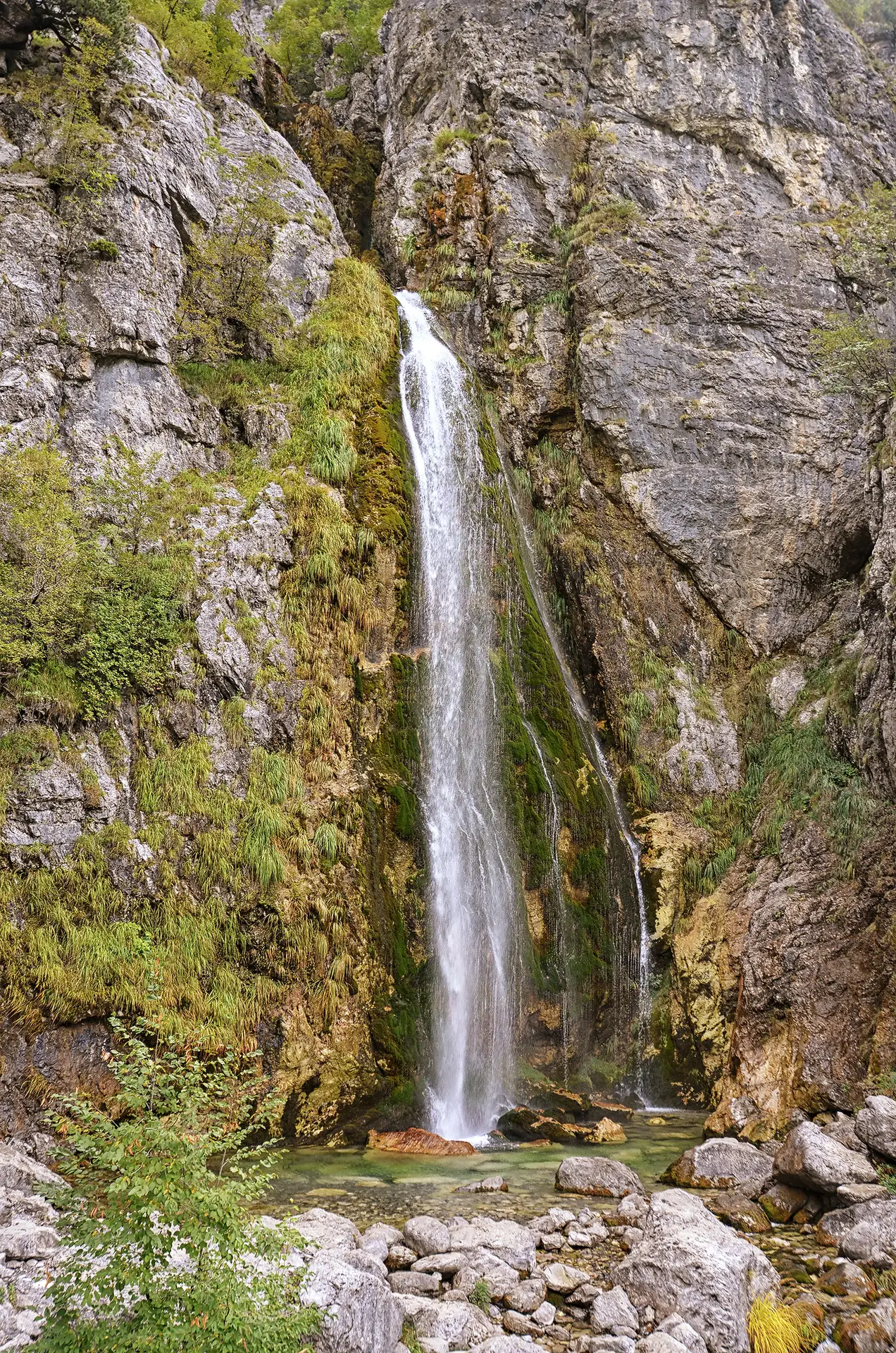
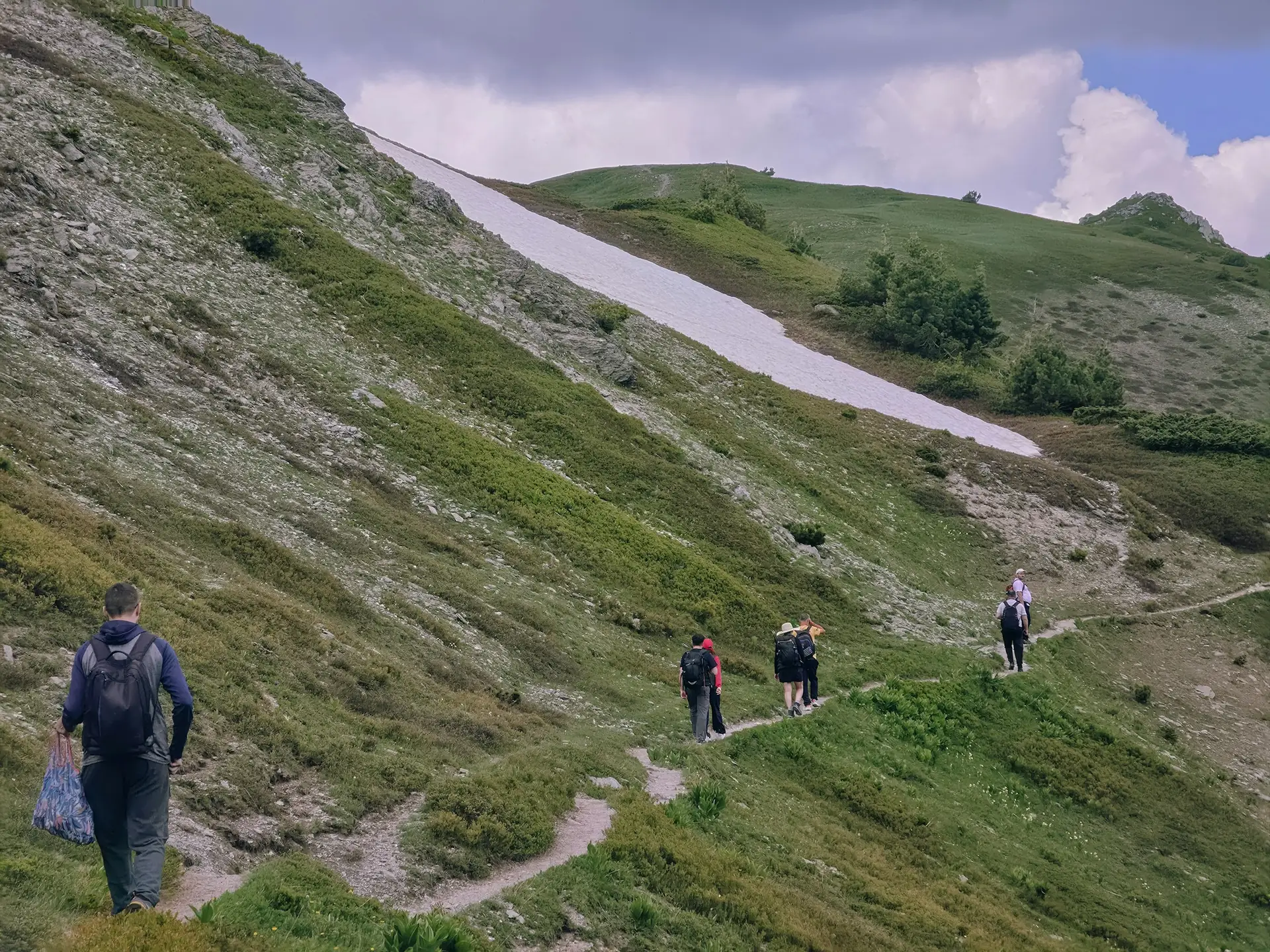
The north is the Albania of drama: the Accursed Mountains, the Theth and Valbona valleys, and the Komani Lake ferry that glides through a flooded canyon. This is hiking country (the Theth–Valbona pass is the Balkans' best day hike) and guesthouse country, where dinner is whatever the family cooked and the raki is homemade.
It's cooler, greener and wilder. The season is shorter: mid-May to mid-October for the high trails; the pass itself holds snow outside that window. Base in Shkodra, a likeable lakeside city with a castle and Italianate café streets, and build the loop from there. Kruja, just outside Tirana, also belongs to the north's story: Skanderbeg's mountain fortress and the old bazaar make an easy add-on day if you're not going as far as Theth.
What the north asks of you: more driving time on switchback roads, simpler accommodation (guesthouses, not hotels), and a genuine hiking day if you want the pass crossing rather than just the valleys. What it gives back: the closest thing to having a national park to yourself, and food you won't get anywhere else in the country.
Thecaseforthesouth
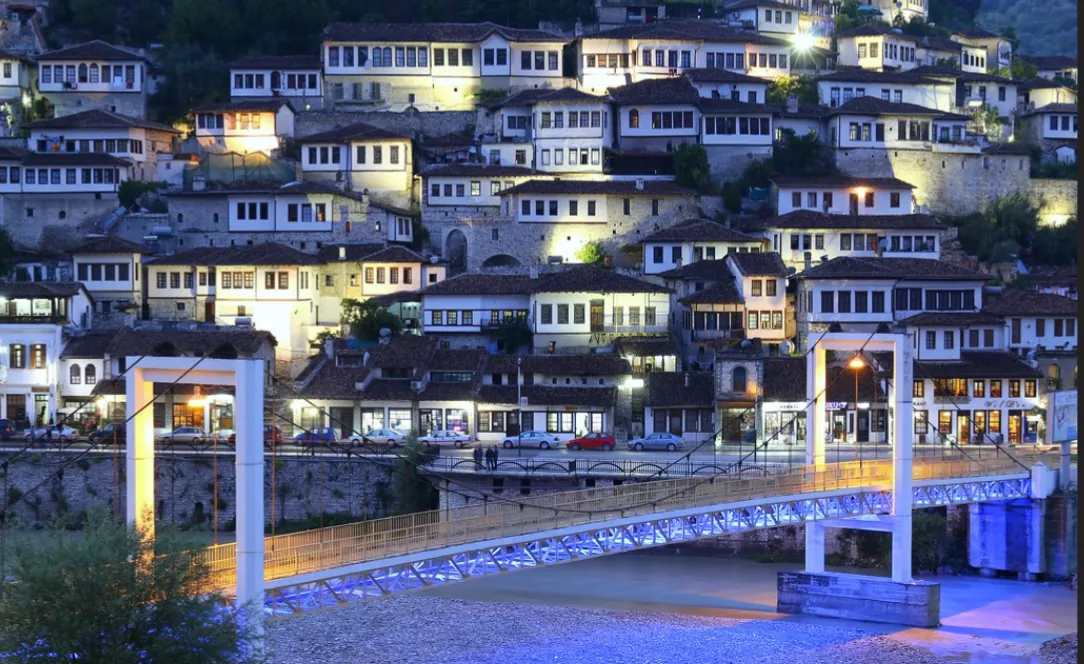
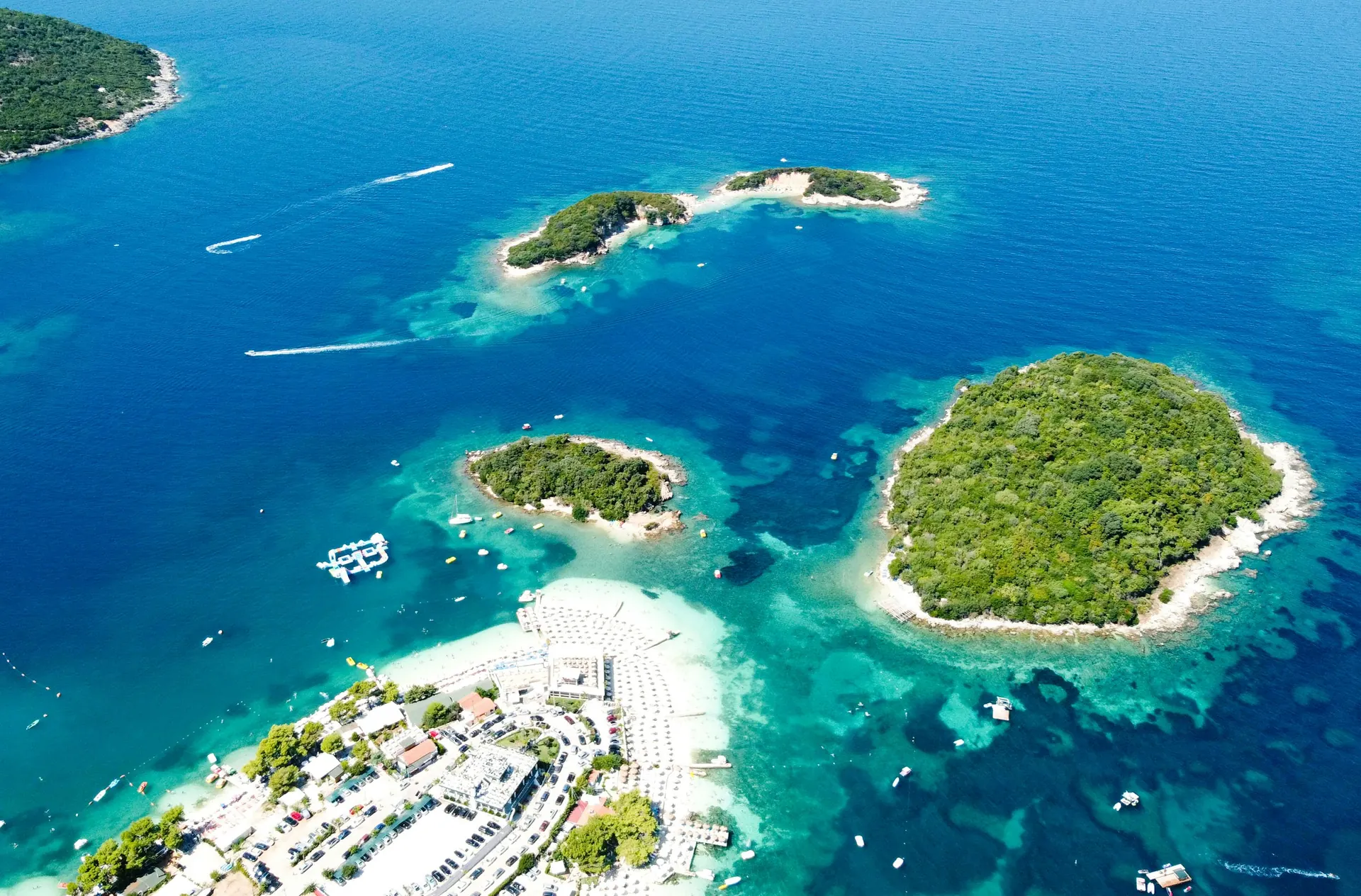
The south is the Albania of postcards: the Riviera's coves from Dhërmi to Ksamil, the UNESCO stone towns of Berat and Gjirokastër, the Blue Eye spring, and Butrint, a Greek-Roman-Venetian city buried in a national park. Distances are short, the swimming is excellent from June to October, and every day can end with seafood by the water.
It's hotter, busier and easier. Infrastructure is better, buses more frequent, and you can build a perfect week without ever hiking more than half an hour. Berat and Gjirokastër are close enough to combine in one loop from Tirana; the Riviera and the far south (Saranda, Ksamil, Butrint) work better as their own coastal base, since the coastal road itself — especially the Llogara Pass — is one of the trip's highlights, not just a way to get somewhere.
What the south asks of you: it gets genuinely hot and crowded in July–August, and the famous coves (Gjipe especially) involve real walking to reach, even though the region overall is easier than the north. What it gives back: the highest density of standout stops per day of any region in the country.
Matchtheregiontothetraveler
Choose the north if you like hiking, quiet villages and remote places, or if this is a return trip and you've already done the coast. Choose the south if it's your first visit, you're travelling with family, or you mainly want the sea. History lovers split the difference: the south wins on ancient ruins (Butrint, Roman-era Berat), but Shkodra and Kruja in the north carry the Skanderbeg story and the Ottoman-era architecture.
Traveling with kids or with limited mobility: the south is the easier call — short drives, flat old-town walking, and no mountain pass to negotiate. Traveling solo or as an experienced hiker with 10+ days: the north rewards the extra effort with the country's best single day hike and its quietest corners.
Canyoudobothinonetrip?
Yes, and ten days is the natural length for it. Alps first, while your legs are fresh: two nights in Theth, the pass crossing to Valbona, then the Komani Lake ferry — which conveniently also functions as your transition south, dropping you within reach of Tirana. From there, drop south for Berat, Gjirokastër, the Blue Eye and three Riviera nights.
It's the route we'd drive ourselves, and the one our 7-day guests most often wish they'd had three more days for. If a week is genuinely all you have, pick one region properly rather than rushing both — a compressed one-week loop touching everything tends to turn into transit days with photo stops attached.
The classic Theth-to-Valbona crossing of the Accursed Mountains, with guesthouse nights, home-cooked dinners and the Komani Lake ferry, fully organised.
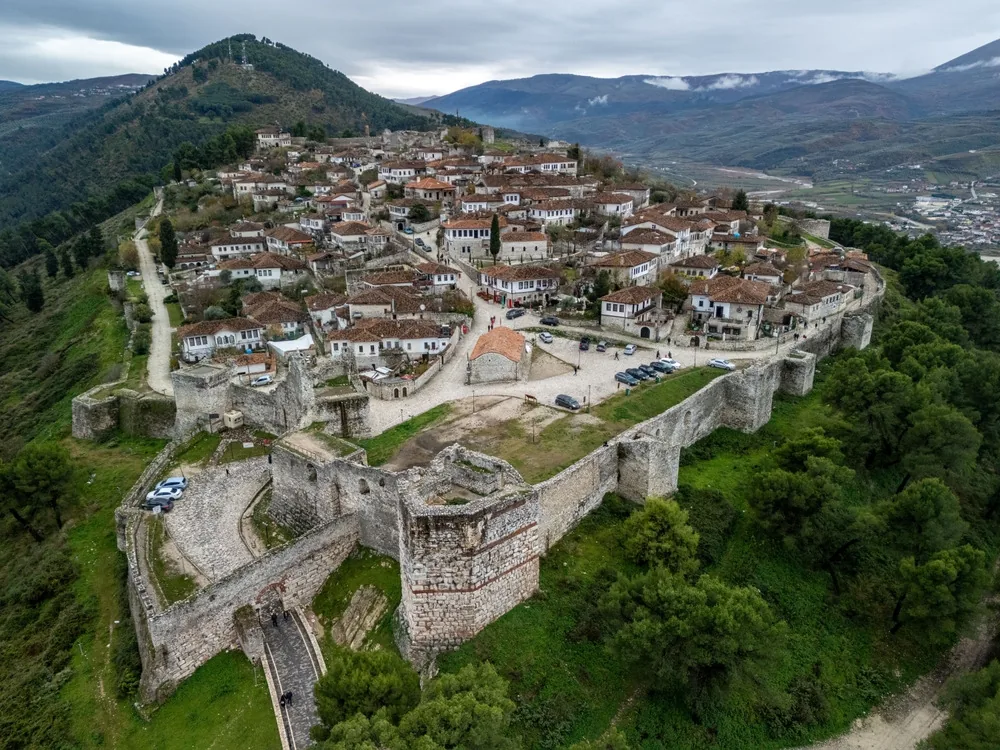
Walk the white Ottoman lanes of Albania's most beautiful town, climb to a castle people still live in, and taste wine that's been made here for 2,400 years.
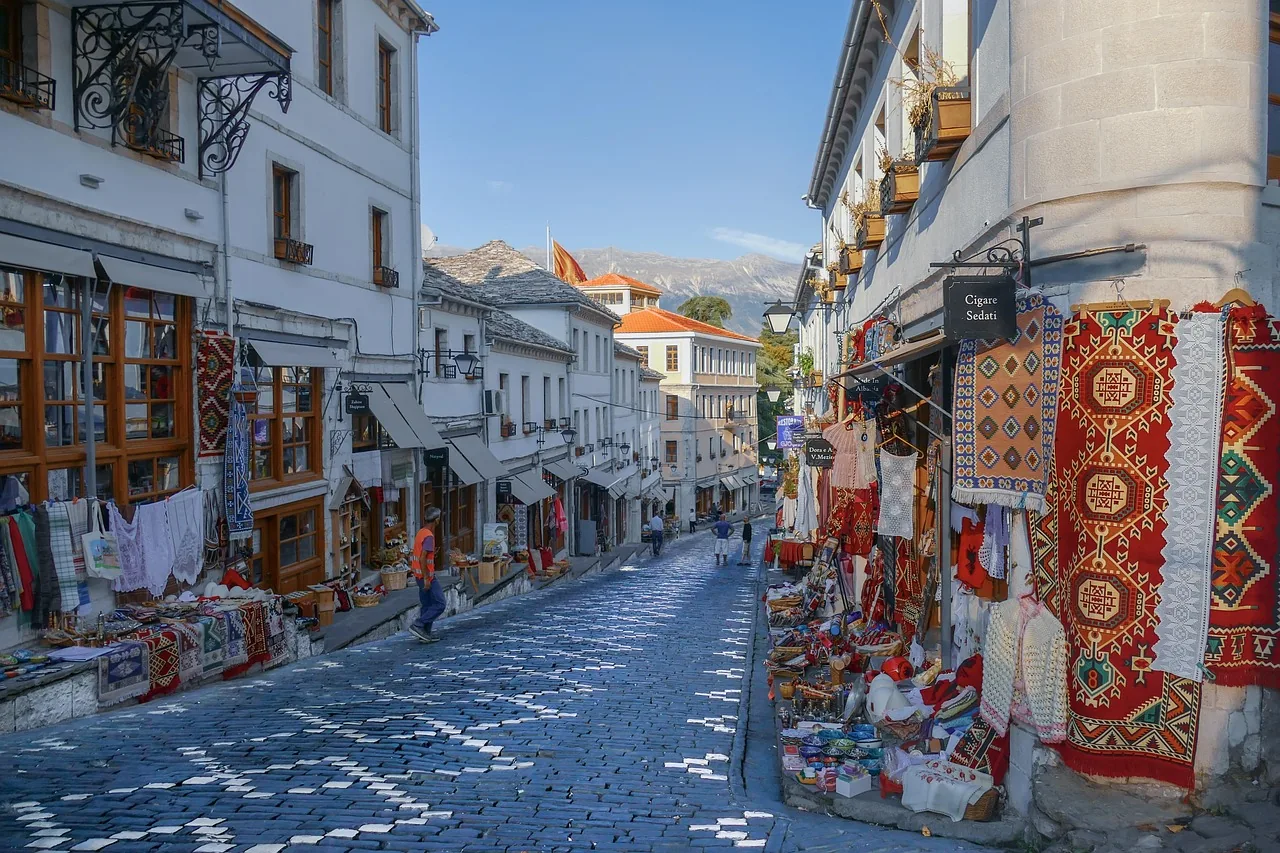
Two southern icons in one day: the stone city of Gjirokastër with its hilltop fortress, and the Blue Eye, a 50-metre-deep spring of vivid blue water.
Full day
From€42
Frequently asked questions
01Is north or south Albania better for a first visit?
The south, for most first-time visitors: shorter distances, easier infrastructure, both UNESCO towns and the Riviera coast in one manageable loop. The north rewards a return trip or extra time, since its highlight — the Theth–Valbona hike — needs a real hiking day, not just a drive-through.
02Can you visit north and south Albania in one trip?
Yes, and ten days is the natural length: the Alps and the Theth–Valbona crossing first, then the Komani Lake ferry as the transition south to Berat, Gjirokastër and the Riviera. A one-week trip is better spent picking one region properly rather than rushing both.
03Which region of Albania has the best hiking?
The north, decisively. The Theth–Valbona pass crossing is the best single day hike in the Balkans, and the wider Accursed Mountains region has trails for multiple days. The south has pleasant walks (old-town lanes, the approach to Gjipe beach) but nothing at the same scale.
Want to see it with a local?
Our small-group tours cover everything in this guide: pickup, guide and advice included.
17 km, a 1,800 m pass, and no way to get it wrong if you leave early enough. Trail stats, waymarking, guesthouse booking and the Komani ferry — for hiking it without a guide.
 Adventure
 History
 Day Trip