June and September are the sweet spots, but May has wildflowers, October has warm sea, and winter has the Alps to yourself. A month-by-month guide.
The best time to visit Albania is September, with June a very close second. Both give you warm sea, open mountain trails, every restaurant and guesthouse trading, and none of the August crush. If you can only travel in high summer, go north — the Alps stay cool while the coast bakes.
That is the short answer, and for most first trips it is the right one. But 'best' genuinely depends on what you came for: the month that suits a Riviera beach holiday is not the month that suits the Theth–Valbona crossing, and neither is the month that gives you Berat's castle quarter to yourself. Here is the whole year, with numbers.
Albaniamonthbymonth:temperature,seaandcrowds
Figures below are typical for the southern coast — Saranda, Ksamil, the Riviera — which is where most visitors spend their beach days. Inland Tirana, Berat and Gjirokastër run several degrees hotter in July and August and a few degrees colder in winter. The mountains are a different climate entirely.
Month
Air (day)
Sea
Crowds
Verdict
January
12°C
14°C
None
Cities and snow only
February
13°C
13°C
None
Cheapest month of the year
March
16°C
14°C
Very low
Green, wet, waterfalls full
April
19°C
16°C
Low
Wildflowers; coast still waking up
May
24°C
19°C
Low
Excellent — the quiet sweet spot
June
28°C
23°C
Moderate
Excellent — warm sea, sane prices
July
31°C
25°C
High
Hot and busy; good for water
August
32°C
26°C
Peak
Warmest sea, worst crowds
September
27°C
25°C
Moderate
The best month overall
October
22°C
22°C
Low
Still swimmable, beautifully quiet
November
17°C
19°C
Very low
Food season; high trails close
December
13°C
16°C
None
Tirana, Berat, snow in the north
Thequickanswerforyourkindoftrip
If you already know what the trip is for, you can stop reading here.
Beaches and swimming — mid-June or the first three weeks of September. The sea is warm in both and the coast is navigable in neither August nor a public holiday weekend.
Hiking the Albanian Alps — late June to late September. Theth and Valbona are snowbound outside that, and the pass crossing is genuinely dangerous in shoulder conditions.
UNESCO towns and castles — late April to early June, or October. Berat and Gjirokastër are unpleasant to walk in a 35°C afternoon and magical in spring light.
A first trip covering everything — late May to mid-June, or the first three weeks of September. These are the weeks where every part of the country is simultaneously open and bearable.
Lowest prices — February, or late October and November. Accommodation drops by half or more against August.
Avoiding other tourists entirely — March, April, November. You will have Butrint almost to yourself.
Winter(December–February):theAlpstoyourself
Coastal towns half-close — in Ksamil and Dhërmi you will find shuttered restaurants and empty promenades — while Tirana hums along under café awnings as if nothing has changed. This is the season for city breaks, museum mornings and big hearty food: tavë kosi, byrek, slow-cooked lamb, and the long lunches that Albanians take seriously all year and especially now.
The mountains turn white. Theth is largely cut off and the pass to Valbona is closed, but snowshoeing in the lower valleys with a local guide is genuinely special, and the Korça highlands have modest skiing. Gjirokastër and Berat in the quiet of January, stone streets wet and empty and lit yellow, are worth the cold on their own.
Practicalities: it rains, sometimes hard, mostly on the coast. Days are short. Some mountain roads need chains. But a February city break here costs a fraction of a September beach week, and nothing is booked out.
MarchandApril:wildflowersandfullwaterfalls
The country goes green fast. March is still wet and unpredictable, but the waterfalls run at full volume — this is when Grunas, the Peshtura falls and the Osum canyon are at their most dramatic — and the hillsides start turning.
April brings wildflowers everywhere and the first properly warm afternoons. The UNESCO towns are at their best: comfortable walking temperatures, long light, no queues. The sea is still too cold for most people at around 16°C, and the Riviera is only partly open, so this is an interior-and-culture month rather than a beach one. The Theth road reopens as the snow retreats, usually during April, though the high pass to Valbona stays shut for weeks after that.
May:thequietsweetspot
May is the month we recommend most often to people who want the whole country without the crowds, and it is badly underrated. Days run to 24°C, the light is long, the hills are still green rather than burnt gold, and the UNESCO towns are busy enough to feel alive without being congested.
The sea sits around 19°C — swimmable if you are the sort of person who swims in 19°C, bracing if you are not. By late May the southern coast has warmed enough that most people manage it happily, and the beach bars are open without being full. Prices are still shoulder-season. If you can travel in the last two weeks of May, that is arguably the best value fortnight in the Albanian calendar.
The one limitation is the north. Theth is open and beautiful, but the Theth–Valbona pass crossing usually still has snow on the top section in May and is not reliably walkable until late June.
June:thebestall-roundmonth
June is glorious and it is the month we would pick if someone gave us one week and no other constraints. Long days, a sea that has reached 23°C and is genuinely warm, every trail open, every restaurant trading, and prices that have not yet gone to their August peak.
The Riviera in the first half of June is close to perfect: Gjipe, Livadhi and Dhërmi all pleasant, parking findable, and the coastal road moving. By the last week the volume starts to climb.
The Alps come fully into season around the third week, once the last snow clears the Valbona pass. That overlap — warm coast and open mountains at the same time — is what makes June and September the two months where a ten-day trip covering both halves of the country actually works.
This is the full Mediterranean: water at 25–26°C, beach bars at capacity, inland cities baking above 35°C. If your holidays are fixed to school summer and you are here for the water, it is a genuinely excellent time to swim, and the weather is as close to guaranteed as weather gets — 12 hours of sunshine and almost no rain.
What you are buying alongside that is company. August is the Albanian holiday month as well as the international one, and the diaspora comes home in enormous numbers. The Riviera road slows to a crawl, Ksamil's beaches disappear entirely under rented sunbeds, and rooms in Himarë and Theth book out weeks ahead. Prices on the coast run 30–40% above shoulder season.
It is workable if you plan around it: start sightseeing days by eight, save afternoons for shade or sea, book boats and guesthouses several days ahead, and go to Himarë or Borsh rather than Ksamil. Better still, go north — the Alps stay pleasantly cool and July and August are peak hiking season up there for good reason.
September:thebestmonthoverall
September is the one we would book ourselves. The sea holds August's warmth at around 25°C, but the crowds leave in the first week as European schools go back, and by the second week the Riviera has emptied out while everything is still open. The light turns gold, the heat drops to a walkable 27°C, and the coastal road moves again.
It is also the month where the whole country is simultaneously viable: the Alps are still fully open and at their most stable, the UNESCO towns are comfortable, the sea is warm, and prices have come off the peak. For a first trip trying to see everything, the first three weeks of September are the single best window in the year.
The only caveat is that the very end of September starts to bring the first autumn rain, and some smaller coastal businesses begin to wind down from around the 25th.
OctoberandNovember:theconnoisseur'smonths
October is harvest — grapes, olives, pomegranates, and the smell of raki being distilled in village yards. The southern sea holds around 22°C and is still perfectly swimmable well into the month, and Butrint, Berat and Gjirokastër are close to empty. Accommodation prices fall sharply. The trade-off is shortening daylight, which matters more than people expect on a driving trip where you want to be off mountain roads before dark.
November closes the high trails properly and opens what we think of as the long-lunch season. The coast is done, the mountains are done, and what is left is food, cities and the interior in autumn colour — which is a genuinely good trip if that is what you came for, and close to free by comparison with August.
WhentheAlbanianAlpsareactuallyopen
This trips more people up than any other piece of Albanian seasonality, because the mountains run on a completely different calendar from the coast and the guesthouses do not all advertise their closing dates.
Albania is inexpensive year-round by European standards, but the spread between August and February on the coast is larger than most people expect — a beachfront room that costs €120 in the second week of August is €40 in late May and €25 in November.
Peak (mid-July to late August) — coastal accommodation at its highest, car hire scarce and expensive, boats and guesthouses needing advance booking.
Shoulder (May, June, September, early October) — roughly 30–40% below peak, everything open, no booking pressure outside weekends.
Low (November to April) — cheapest by a wide margin, but the coast is largely shut and the high mountains are closed.
Sowhenshouldyoucome?
Beaches: June or September. Hiking: late June to September. Cities and castles: May or October. A first trip covering everything: late May to mid-June, or the first three weeks of September.
And whenever you come, you will wish you had booked more days. That one is reliable in every month of the year.
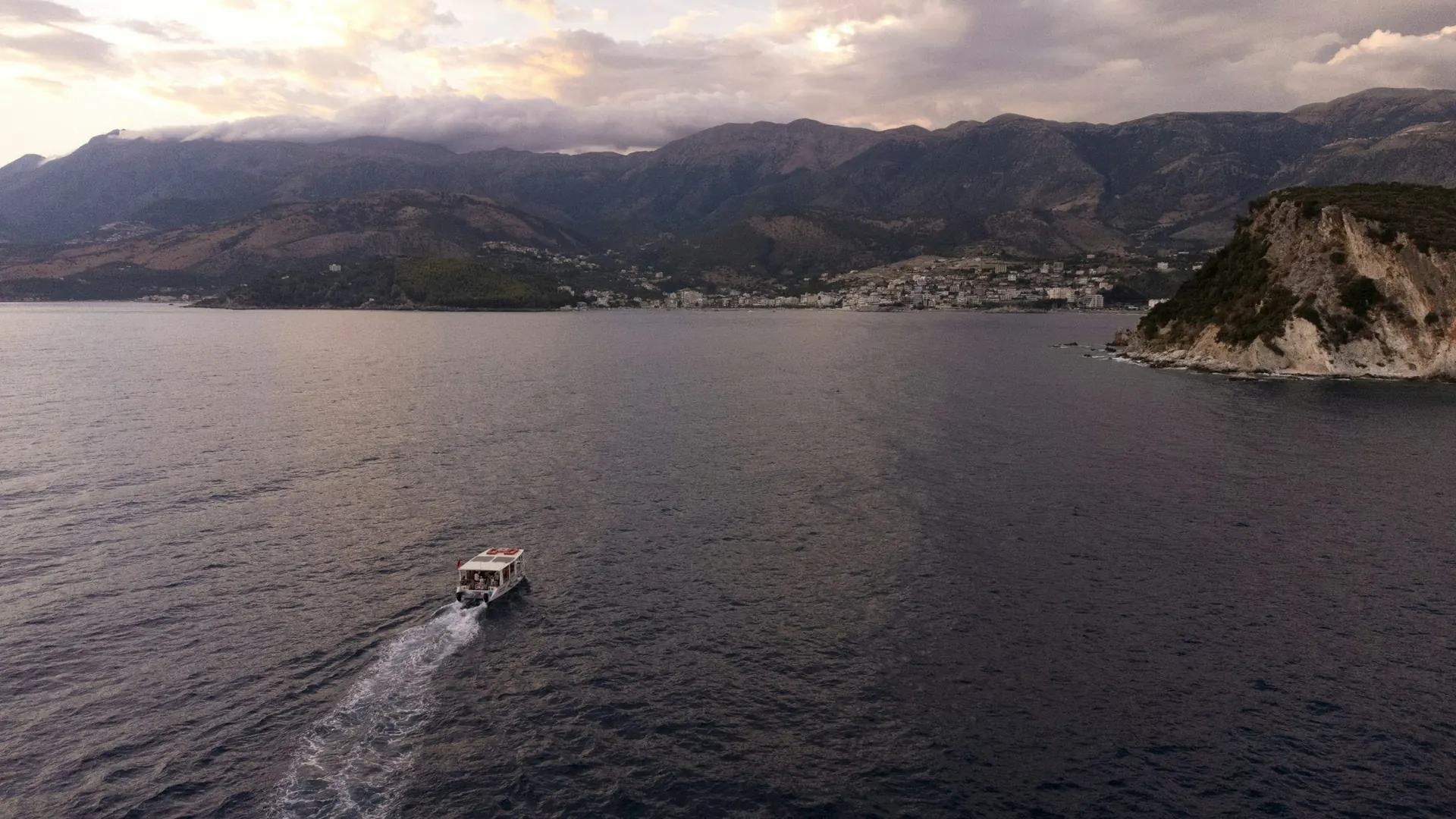
A small speedboat, a local skipper, and the beaches of the Riviera you can't walk to: Gjipe Canyon, the Pirates' Cave and swim stops along the Riviera.
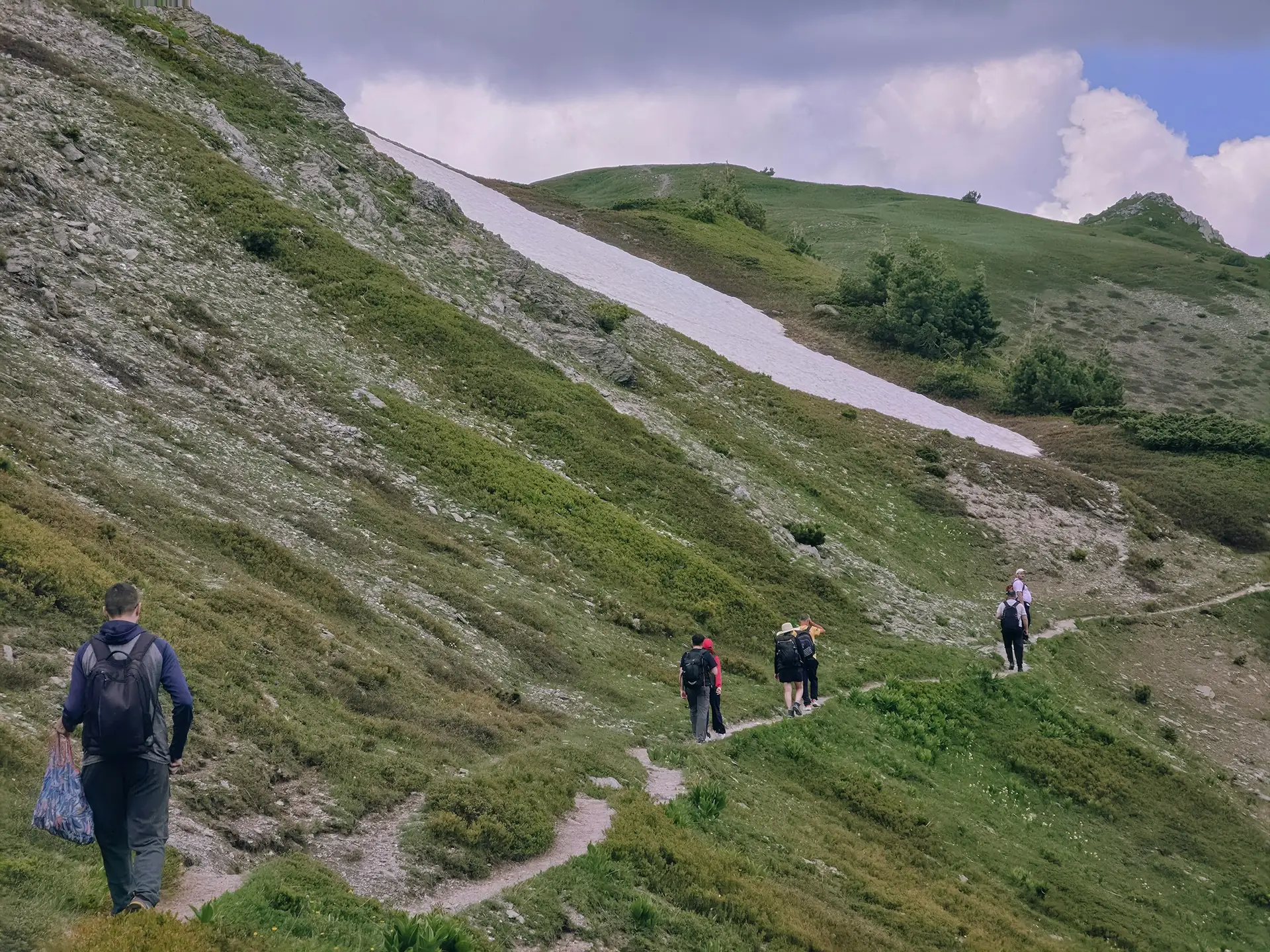
The classic Theth-to-Valbona crossing of the Accursed Mountains, with guesthouse nights, home-cooked dinners and the Komani Lake ferry, fully organised.
3 days
From€269
Frequently asked questions
01What is the best month to visit Albania?
September, with June a close second: warm sea at around 25°C, open mountain trails, and the summer crowds gone or not yet arrived. Late May is the pick if you want wildflowers and empty UNESCO towns and can accept a cooler sea.
02Is July a good time to visit Albania?
For beach trips, yes: the sea sits at 25–26°C and rain is rare. It is also among the hottest, busiest months alongside August, so book boats and rooms ahead and plan city sightseeing for early morning. Hikers should head north; the Alps stay pleasantly cool.
03When is the sea warm enough to swim in Albania?
Comfortably from mid-June to mid-October on the southern coast. The sea peaks around 26°C in August and holds its warmth well into October, which is why September is the connoisseur's beach month. May sits around 19°C — swimmable, but bracing.
04What is the cheapest time to visit Albania?
February, and then late October through November. Coastal accommodation falls to a quarter of its August rate, though the Riviera is largely closed in those months. For cheap prices with everything still open, aim for May or the second half of September.
05When can you hike from Theth to Valbona?
Late June to early October. Outside that window the top of the pass holds snow and the crossing is genuinely hazardous. The Theth road itself opens earlier, usually in April, and most Theth guesthouses trade from late April to mid-October.
06What is the rainy season in Albania?
November through February brings most of the year's rain, especially on the coast. It rarely ruins a city break — Tirana, Berat and Gjirokastër are atmospheric in winter — but beach and boat season is firmly May to October.
07Is August too busy in Albania?
On the coast, yes for most people: Ksamil and the Riviera are at capacity, the coastal road is slow, and prices run 30–40% above shoulder season. The mountains are a different story — Theth, Valbona and the Komani ferry are busy but bearable and run far cooler.
Want to see it with a local?
Our small-group tours cover everything in this guide: pickup, guide and advice included.

 Boat Tour
 Adventure
